Preventing Basement Flooding During Power Outages
A sump pump can prevent basement flooding, but only when…
Generators are safe, easy to use, and provide hours of reliable power generation, but they’ll work better and more reliably over time when you follow a few simple safety tips. As a homeowner, you can learn the essentials of safe generator operation from this article. By the time you fire up your generator again, you’ll know how to keep yourself safe and extend the lifespan of your equipment.
Letting your generator sit out in wet conditions increases the risk of electrocution. While portable and permanent generators need good ventilation while running, you can still hang a tarp, set up an open-sided canopy, or use a high overhanging roof area to protect the generator from rain. Make sure there’s nothing within 3 to 5 feet of the top of the generator, depending on the model and its size. Always dry your hands and keep your clothes dry when working with your generator, too.
Refueling your generator before it completely runs out of fuel minimizes disruptions, but you’ll still need to switch it off temporarily to let it cool down before refueling. Refueling while hot not only wastes the fuel but also creates a serious fire or explosion risk. The danger is even greater if you try to refuel while the generator is running.
Another benefit of switching the generator off for refueling (beyond safety) is that it gives you a chance to check the oil levels and filters, too. If you don’t want to refuel regularly in stormy conditions, we recommend upgrading to a permanent generator with a fuel tank or gas supply line.
Power cords help you make the most of portable generators, but no matter how far you plan to run the power cord, you’ll need to choose an outdoor-rated cord with a gauge heavy enough for the amount of power your generator provides.
The owner’s manual will state what type of cord is needed for your generator, whether that’s a 12-gauge, 10-gauge, or even thicker power cord. Lower numbers mean the wire can supply more wattage without overheating. Check your extension cords before use and replace any that show signs of damage to the insulation. We also recommend keeping them out of puddles to reduce the risk of shock, even if they’re rated for outdoor use.
While you should keep your portable generator protected from the elements, you can’t use it inside a garage, too close to open windows and doors, or indoors at all. Your generator must remain outside, at least 20 feet from your home, in an open area where air can flow freely over the sides and top without restriction. Using the wrong kind of protective cover or canopy can lead to carbon monoxide buildup and serious health risks.
As long as the generator is outdoors and well ventilated, the risk is low to none. If you aren’t sure where to place your portable generator or how to protect it from the elements without risking damage or carbon monoxide (CO) exposure, we’re happy to offer recommendations and weatherproofing accessories. We recommend investing in a portable generator with a CO sensor for automatic shut-off for even more peace of mind.
The gas or diesel you use to power your portable generator isn’t dangerous as long as it’s stored in a modern gas can that’s tightly sealed and not openly vented. Keep your fuel containers in an enclosed area that’s separate from the rest of your home, such as a garage or carport. A backyard shed will also work.
Don’t store the fuel near any fertilizer, sources of sparks, appliances like dryers or furnaces, or in spaces where the containers might get knocked over. Before using, open the vent on the gas can to equalize the pressure. Avoid storing fuel in open-vented containers since the fuel will evaporate and concentrate hazardous fumes over time.
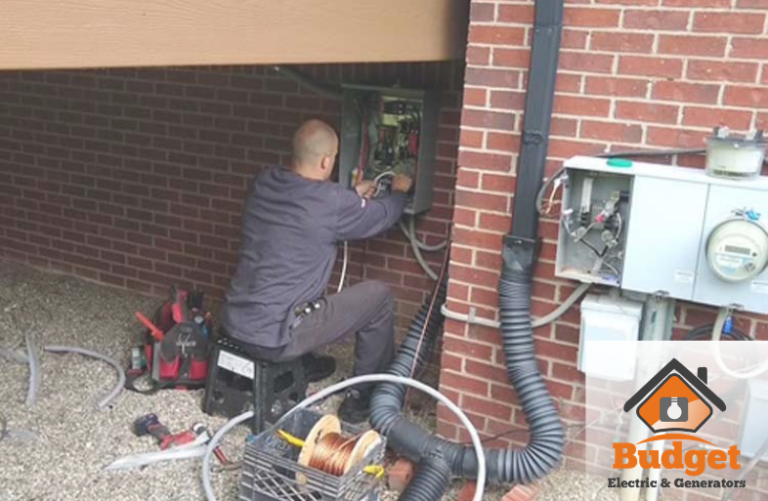
Generators are designed to power your appliances. You can’t plug your generator directly into your household outlet in an attempt to backfeed power that way. Without a professionally installed transfer switch, you’re creating electrocution risks. Backfeeding can also damage your appliances and overload your wiring, potentially leading to a house fire. Either schedule the installation of a transfer switch to power the entire home safely and in a controlled way, or stick to connecting essential appliances directly to the portable generator with extension cords.
Generators can only run for so many hours before they require critical maintenance. Learning to do some of those tasks yourself is critical, especially if you find yourself in an extended power outage. We recommend:
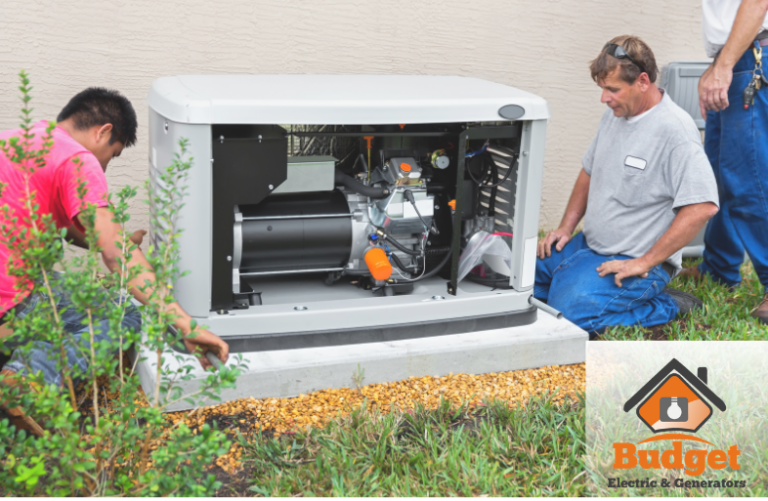
Ensure your generator runs reliably through routine maintenance. If you don’t feel comfortable performing essential maintenance or it’s been a while since you had your generator professionally inspected, contact Budget Electric today. Founded in 1988, we help homeowners prepare for Southeast Michigan’s stormy seasons through reliable generator installation and maintenance services. Schedule your routine maintenance.