Should You Choose a Propane or Natural Gas Generator?
Whole-home generators can run on propane or natural gas. Learn…
Generator installations aren’t the kind of household upgrade you should attempt to handle on your own. Even portable generators need professional attention if you plan to use them safely. Without proper installation, generators pose serious health risks from carbon monoxide and electrocution, as well as the risk of fire or damage to your home’s wiring.
Some of the worst problems we’ve seen with DIY generator installations include:
To size your home generator correctly, add up the total wattage required by all appliances you plan to run, plus the starting load for appliances like refrigerators, well pumps, and air conditioners, to ensure your generator doesn’t cut out when those devices switch on. Undersizing the generator will leave you frustrated and without power, while oversizing, in most cases, is a waste of money.
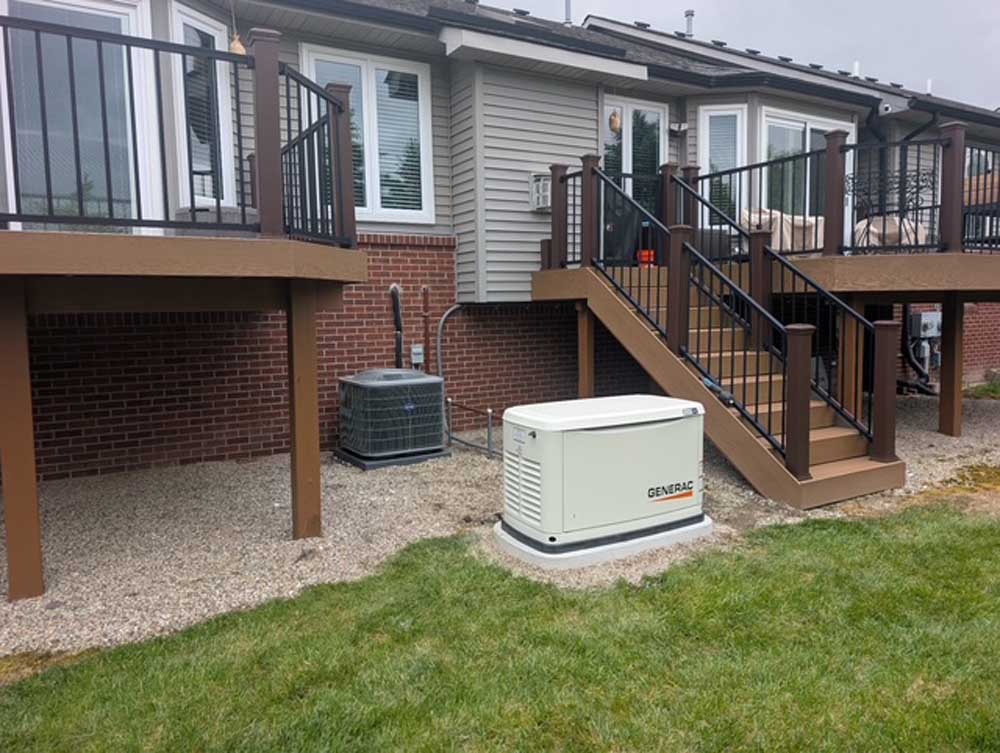
Picking the right spot for your generator keeps it easily accessible for maintenance or refilling while protecting your home from fire and exhaust risks.
The locations of fuel sources, such as gas lines, also play an important role in generator siting. Going over a certain number of feet may require upgrading to larger piping, increasing installation costs. You can actually save a lot by moving the location of the generator to minimize the distance you have to cover.
Additionally, most cities in Michigan mandate a specific distance between the generator and openings in your home to reduce the risk of carbon monoxide poisoning. For example, Troy requires at least five feet of exhaust clearance. You may want an even larger circulation gap, depending on your home’s layout and air intake vents.
Permanently installed, whole-home generators require permits in most parts of Michigan; in some municipalities, separate building and electrical permits may be required. Failing to obtain the right permits could lead to costly fines, and each city and county in Michigan has its own requirements. Working with a local professional is the best way to avoid any permit issues or delays.
A standard gas line may or may not supply enough pressure to keep your desired generator running smoothly. It’s not hard to have your line upgraded to provide the necessary pressure and supply, but it does require coordination among the installers, the utility company, and a licensed plumber. Instead of trying to decipher the manufacturer’s requirements and gas line charts yourself, just leave it to a professional like Budget Electric & Generator.
Since generators create electricity while running, they must be grounded to safely shunt any stray current into the earth rather than into the metal frame. Without a proper ground, touching the generator while it’s running could seriously shock you. There’s also a high risk of damaging any appliances or equipment you hook up to it. Even the outlets built into portable generators won’t work properly if the ground isn’t connected as the manufacturer specifies.
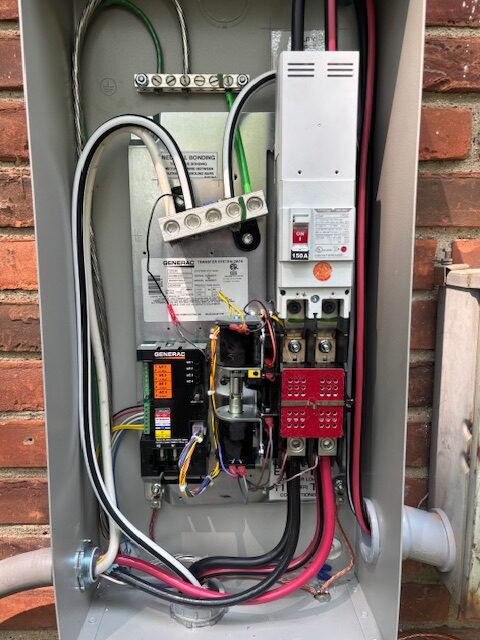
A transfer switch is the component that allows you to control the power source for connected appliances or your entire home. Manual switches are easily triggered by hand during an outage, while automated switches handle it for you for seamless power.
When the transfer switch is missing or installed incorrectly, backfeeding can occur. Backfeeding occurs when the mains are reconnected and the generator remains on, sending electricity back up the mains. It could lead to fires in your home or injuries to linemen working on the power lines. You won’t pass a permit inspection in most parts of Michigan without having your transfer switch professionally installed.
The wiring used to connect a whole-house generator to your home’s electrical panel must be thick enough to handle the power it carries. It must be outdoor-rated as well, including weather-resistant insulation or a protective underground conduit. Using the wrong type of wiring can cause overheating, damage to your appliances, and poor performance. Handling the wiring incorrectly also creates backfeeding issues both within your home electrical system and the larger utility lines. Even electricians can install the wiring for a transfer switch incorrectly, so it’s essential to hire someone who understands how to install generator systems in accordance with Michigan’s electrical code.
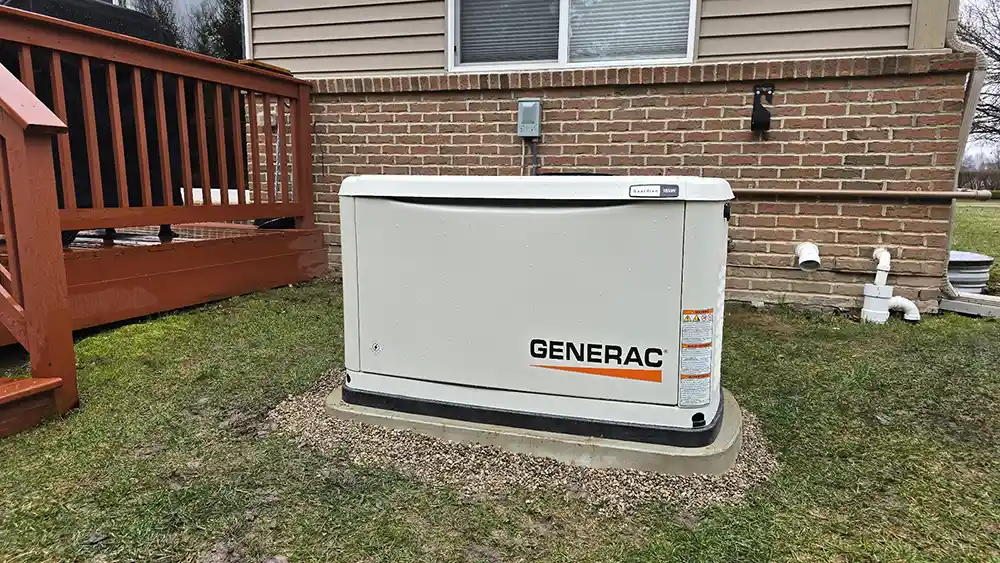
Pouring a foundation may seem like a big investment, but it’s necessary for larger whole-house generators. These generators weigh hundreds to thousands of pounds when installed and filled with fuel, and must remain level and well-supported to operate properly. Tilting and tipping could lead to fire risks, poor performance, and exhaust issues.
If you’ve never installed a generator before and fail to pour the concrete pad correctly or don’t let it cure, you risk dealing with cracks or sinking areas. DIY jobs can quickly transform from “I can do this!” to “When will this be over?” but with any home improvement project, it has to be done right if you want reliable performance. Moving a large whole-house generator to replace damaged concrete adds hundreds of dollars to the total project cost, so getting it right from the start is far more affordable, even if it may not seem like it in the moment.
You always have to run the generator and verify operation well before the first power outage arrives. Would you rather deal with minor adjustments and modifications on a sunny day when the power’s on, or in the middle of a raging storm when it’s out?
Professional installation can save you hundreds of dollars in the long run. You’ll avoid the need to pour a new concrete foundation, change out undersized gas lines, or run new wiring. Budget Electric & Generators has been helping Michigan homeowners stay out of the dark since 1988. Visit our website to learn more about what to expect from our generator installation process, or contact us today to request a free estimate.