
What to Do If Mice Have Moved Into Your Generator
Have mice become residents in your home generator? Learn what…
You bought a generator as a precaution, but hoped you’d never have to use it, and now you find yourself in the middle of a power outage.
First, take a deep breath, and know that running a generator is relatively straightforward, especially if you have a whole-house system that switches on automatically. However, there are some best practices that all homeowners should follow to ensure safety.
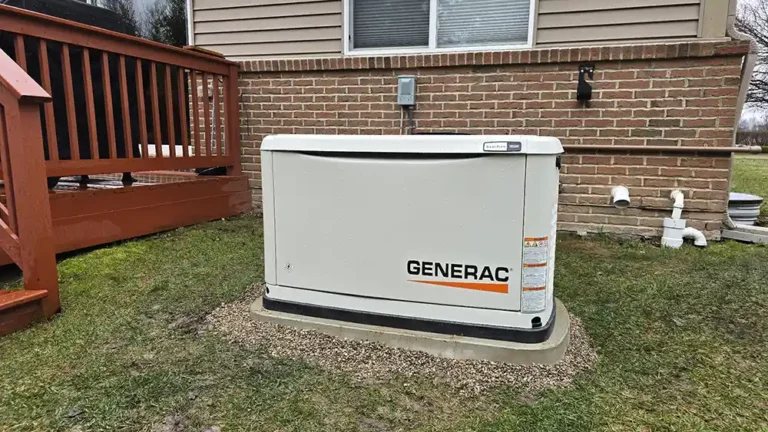
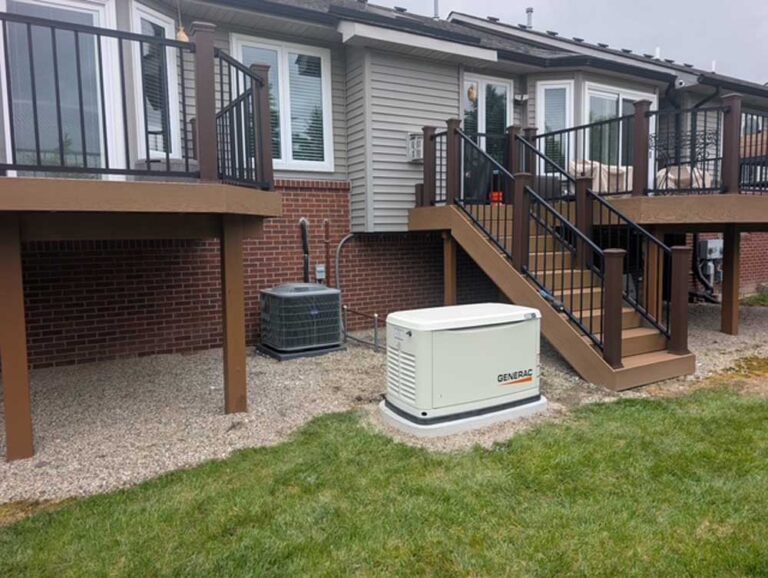
If you have a whole-home generator, this doesn’t apply to you because it’s already installed in a safe place outside your home, ready for operation when needed.
However, if you have a portable generator, never run it indoors, even in partially enclosed spaces like carports and garages. Generators and other combustion devices produce carbon monoxide, an odorless gas that can be fatal.
Even running a portable generator too close to doors, windows, and other openings can allow carbon monoxide to enter the home. Keep it at least 20 feet away from any openings, including vents. Extend that distance if it’s a larger generator. Make sure you have extra-long, outdoor-grade extension cords so you’re not tempted to position the generator any closer.
Carbon monoxide is hard to detect and is a serious hazard. Don’t wait until you notice warning signs like headaches, dizziness, and sleepiness. Install carbon monoxide alarms near your whole-home generator, or next to entryways near your portable generator. Check these alarms at least once a month and replace them as recommended by the manufacturer. Without a working alarm, your family is at risk any time the generator is operating, even if it’s outdoors in a well-ventilated area.
Just like with other major appliances, you need an intact, undamaged cord to deliver power from your generator to the rest of the home. Cracked or missing insulation around the wires increases the risks of shocks and fires. Even minor damage to the exterior of the cord justifies replacement.
Fuel shouldn’t come into contact with the generator while it’s running, much less flow into it. Shut it off and let it cool for 15 to 20 minutes before adding any gasoline, diesel, or other liquid fuel. If you’re changing out a propane or natural gas tank, you should still let the generator cool down to the touch first. Trying to change lines or add fuel while it’s hot could burn you or lead to an explosion. Store all fuel away from the generator. If you have a permanent line attached to deliver propane or natural gas, have it inspected at least once a year to verify it’s not leaking.
Since your generator produces electricity, it’s not safe to operate if it’s soaked or surrounded by flood waters. However, permanently installed whole-house generators will have protection against normal rainfall, and you can set up a pop-up cover with proper ventilation to keep a portable unit dry. Shut off all generators if rising waters are a concern.
Since your generator releases quite a bit of heat, any snow that gathers on top or around the sides of the unit can melt. Keep your generator dry and venting properly by clearing away snow on a regular basis when it’s falling. Even when the power is on and your generator is running, it’s best if it’s cleared at all times in case there’s an outage and the backup system kicks in.
Your permanent generator must be installed properly to prevent backfeeding, and you must use any portable generators in a way that doesn’t disable their safety features. Backfeeding occurs when the generator sends power back up the main lines rather than just to your home, which can damage your wiring or harm someone working on the power lines. Never plug a portable generator into the home itself; only plug individual appliances that need power. Only operate your whole-home generator with an inspected transfer safety switch.
Professionally installed standby generators don’t need them, but portable generators rely on heavy-duty extension cords to deliver power to the appliances you want to run. You need a low gauge wire, often 10, 8, or 6 gauge. That means the wire inside is thick and capable of transporting plenty of power without overheating or experiencing losses over distance. Make sure all cords you use are rated for outdoor use, and always check them for damage before connecting them.
Portable generators need a break every 8 to 12 hours of continuous use. Let the unit cool down for at least 30 minutes, then check the oil levels. Most portable generators will shut off due to a lack of fuel far sooner than every 8 hours, giving you a chance to cool the unit down before adding more fuel.
Professionally installed whole-home generators can run 24 hours before needing a break. Let it cool down for 30 minutes as well to get an accurate oil reading. Add oil if needed. Before shutting down the generator during an outage, check the manufacturer’s instructions on how to do it safely. Never shut the generator off while it’s under load. Shut off or disconnect any appliances, switch off all the lights, and only then shut down the generator for maintenance checks.
While permanent generators are designed to run over multiple days when needed, they still need attention from you to operate safely and properly. Learning how to safely run a generator during a power outage means going outside and checking the generator at least once every six hours, at least when it’s safe to do so. Remove debris, leaves, and snow so there are no venting issues. If the outage is extended past 24 hours, it may need a shutdown so you can check the filters and add fresh oil.
If you haven’t scheduled your annual inspection for your generator yet, do it now before the winter weather worsens. Our technicians at Budget Electric will help ensure your generator powers on safely and smoothly when you need it the most. We offer two maintenance plans for Generac whole-home systems: basic ($210 for one year) and extended ($330 for two years), along with take-home kits that include extra oil and air filters and replacement spark plugs.
Visit our website to learn more about our plans, or contact us today to schedule your maintenance appointment.