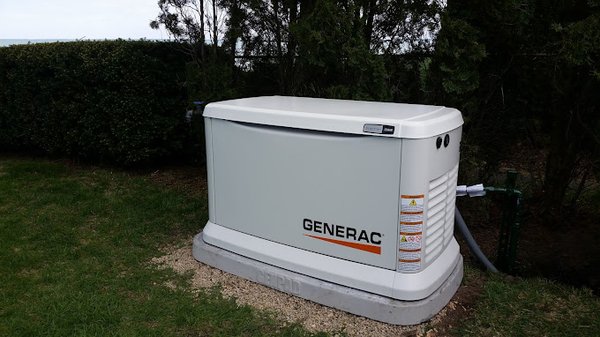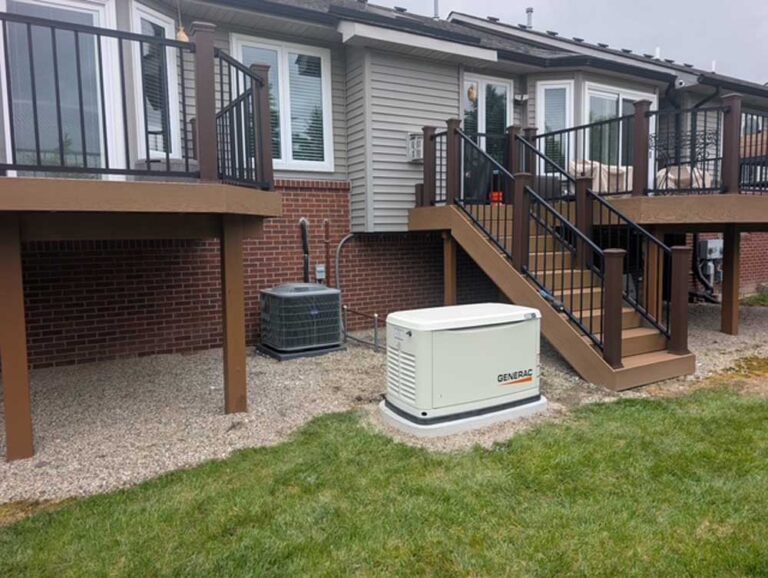
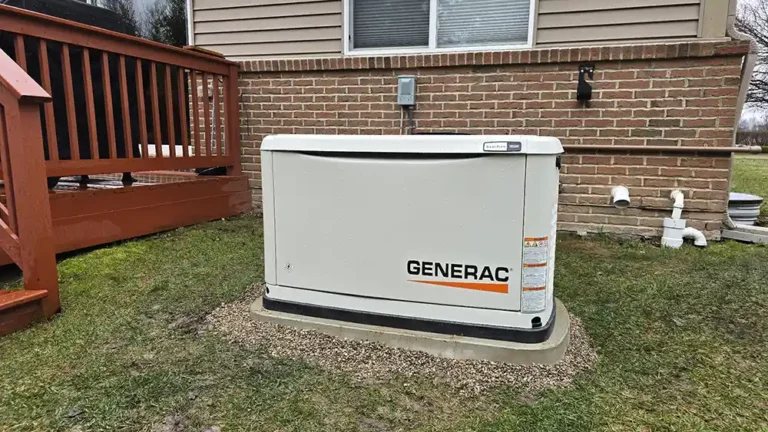
Your generator is outside, and in the colder months, it’s easy to neglect it. However, if you don’t open and inspect your generator monthly, there’s a risk it won’t start. While there are many reasons a generator may experience start-up failure, one unusual cause is mouse intrusion, especially if you live near a forest or dense vegetation.
If you’re performing regular inspections, look for signs of mouse intrusion, including fur, plant debris, chewed wires, and unpleasant odors from urine and droppings. Taking care of mice at the first sign of trouble will prevent further damage to the generator and keep it running smoothly when you need it the most.
So, what do you do if you skipped your inspections and have now noticed that mice have moved into your generator over the winter?
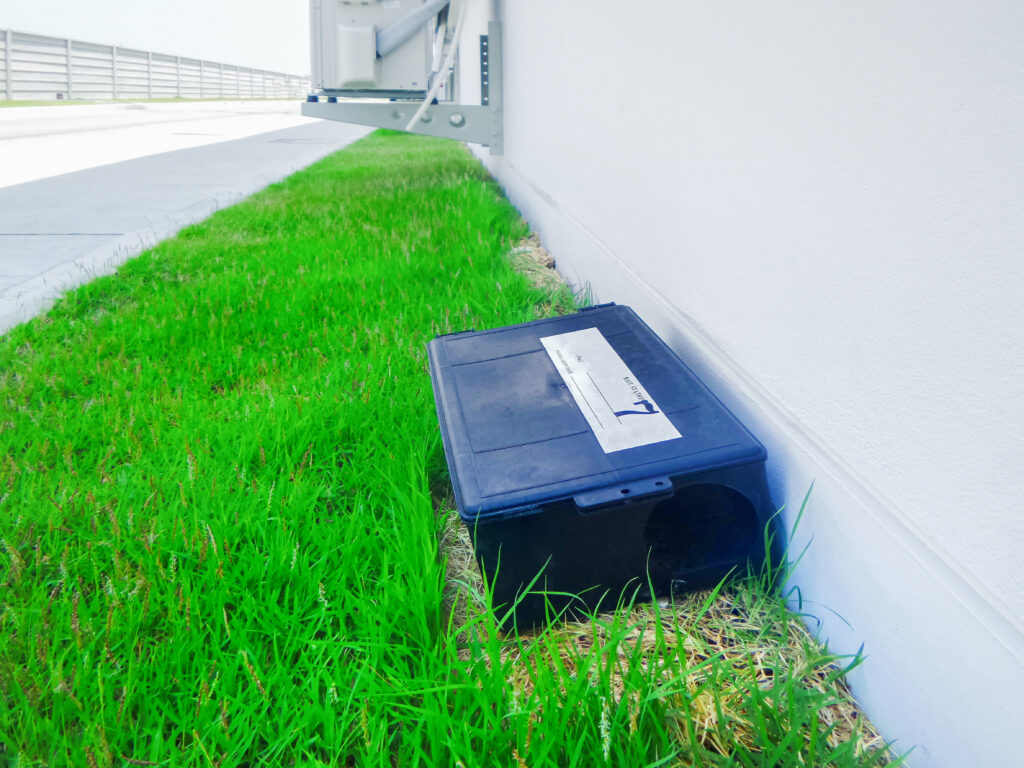
Bait stations are the most reliable way to reduce the mouse and rat population in general around your home and to stop them from nesting in your generator. Place these stations:
You can also place what’s known as a pheromone signaling board just inside the enclosure, if there’s space at the bottom where it won’t interfere with operation. If mice end up stuck to this board, you need to boost your efforts to bait and remove desirable materials near the generator.
We recommended opening your generator enclosure regularly to remove any debris that accumulates inside. If you haven’t done that in a while, it’s time to do it. Debris build-up makes a lovely home for mice, and many times, it’s hard to tell if a clump of dry leaves was incidentally sucked in by a blower or carried in by mice building a nest for winter, so it’s best just to get rid of it.
If you’re not sure how to safely open your enclosure, hire a professional to inspect and clean the generator at least twice a year.
Even if you leave this task to the pros, you can remove grass, leaves, and other debris from around the generator enclosure at least once a month. Try to maintain a clear, open area of at least 2 to 3 feet around all sides of the generator. Mow or trim any grass growing around it short as well. Keeping the exterior clean prevents covered areas where mice can hide.
You can’t ignore damaged wires in your generator. Due to the amount of electricity traveling through the wiring, a little tape wrapped around chewed insulation won’t work. You need to replace the wires, even if the damage is minor and doesn’t go all the way through the outer insulation layer. Compromised wires overheat over time, reducing efficiency, putting wear and tear on your generator, and risking a fire during extended use. Check all the wiring at least twice a year, both inside the enclosure and leading to the rest of the inverter and switch system.
Generator enclosures provide the ideal nesting space for mice and protection from predators, both during their reproductive season and when colder temperatures set in. Mice are among the few animals that can squeeze into those tight spaces.
Mice may also be attracted to the wiring itself. Some wiring is coated with paraffin-based insulation, which smells like food to mice. Rubbing repellents with capsaicin or mint on the wiring can prevent this problem.
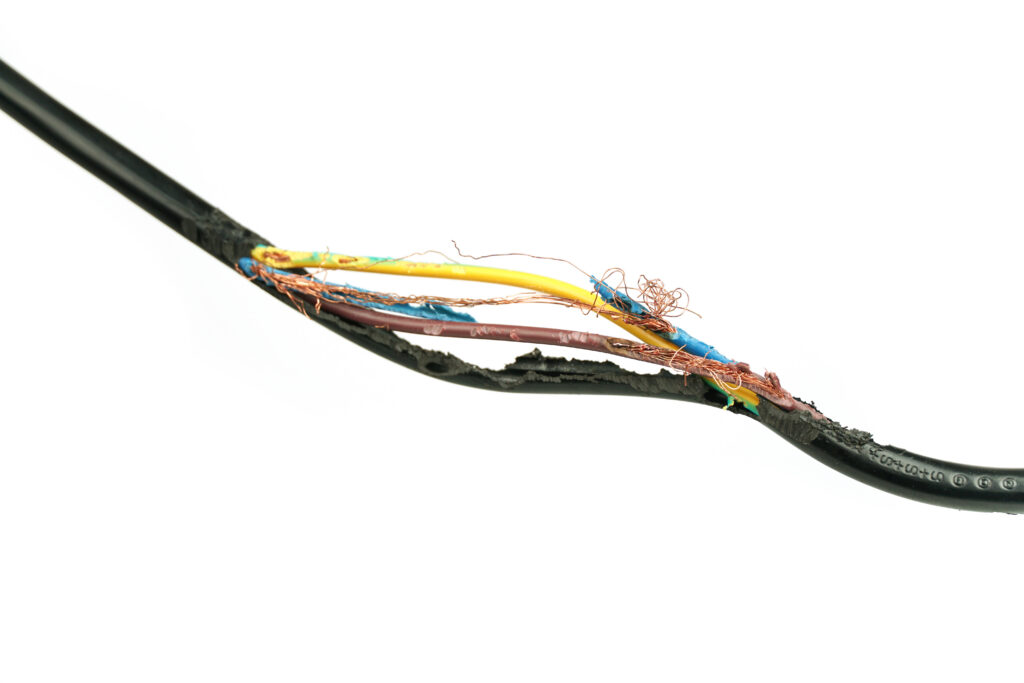
Mice might be cute (to some), but they don’t belong in your generator or your home. Certain mouse and rat species in Michigan, including deer mice, carry diseases such as hantavirus, that can affect humans. If they infiltrate your generator, they can build nests that block the blower and ventilation system, leading to overheating and permanent damage. They also cause damage directly by gnawing on wires and other sensitive parts. The end result is a generator that fails to start at all, or one that operates only briefly before shutting off.
If you’ve noticed (or suspected) mouse activity near or around your home (including your generator), it’s time to schedule your inspection before the problem worsens.
Budget Electric & Generators offers timely generator inspections and maintenance packages to homeowners across Michigan. Our experts can replace damaged wires, remove debris from the enclosure, and ensure everything is in working order before the spring and summer storms arrive.
Contact us today to schedule your inspection.