
7 Essential Generator Maintenance Tips for Michigan Winters
When winter comes, prepare for power outages by maintaining your…
Electrical safety is often overlooked, yet electrical issues cause over 23,000 fires annually and result in more than 300 deaths. Older homes are more at risk due to aging equipment, overloaded systems, and a lack of available upgrades.
If you have an older home, don’t despair! Improving your home’s electrical safety is simply a matter of doing what you can to prevent common risk factors and hiring a professional electrician to help you with the rest.
Be proactive and download this checklist to ensure you’re staying on top of electrical safety year-round!

Each light fixture, lamp, and bulb outlet in your home has a specified maximum wattage based on how the fixture is wired, and it isn’t easy to change.
You should always avoid using a higher wattage bulb than the maximum listed wattage. The bulb will draw more electricity than the wiring can handle, heating the fixture and increasing fire risk over time.
Even if it seems fine to rely on the current bulbs installed in your fixtures, it’s worth the time to go around your home and verify that they have the correct wattage.
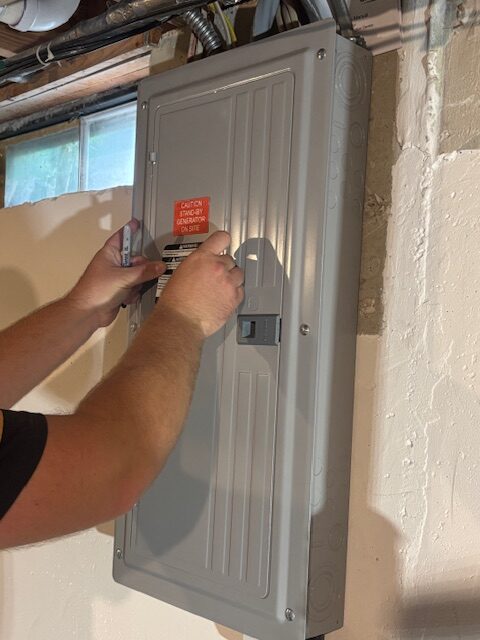
The electrical panel can seem intimidating, but it’s really not that scary.
Modern electrical panels are safe, easy to use, and clearly indicate when a breaker is tripped or needs resetting.
If you have an old-fashioned breaker box that’s buzzing, badly labeled, or otherwise hard for you to use, get it replaced. You need accurate labeling so you can quickly reset a tripped breaker or assess a problem with your electrical system, not to mention switch off the correct power circuit during an electrical hazard, such as flooding.
You should also check your panel for issues like visible rust, breakers that are warm to the touch, buzzing sounds, or burning smells.
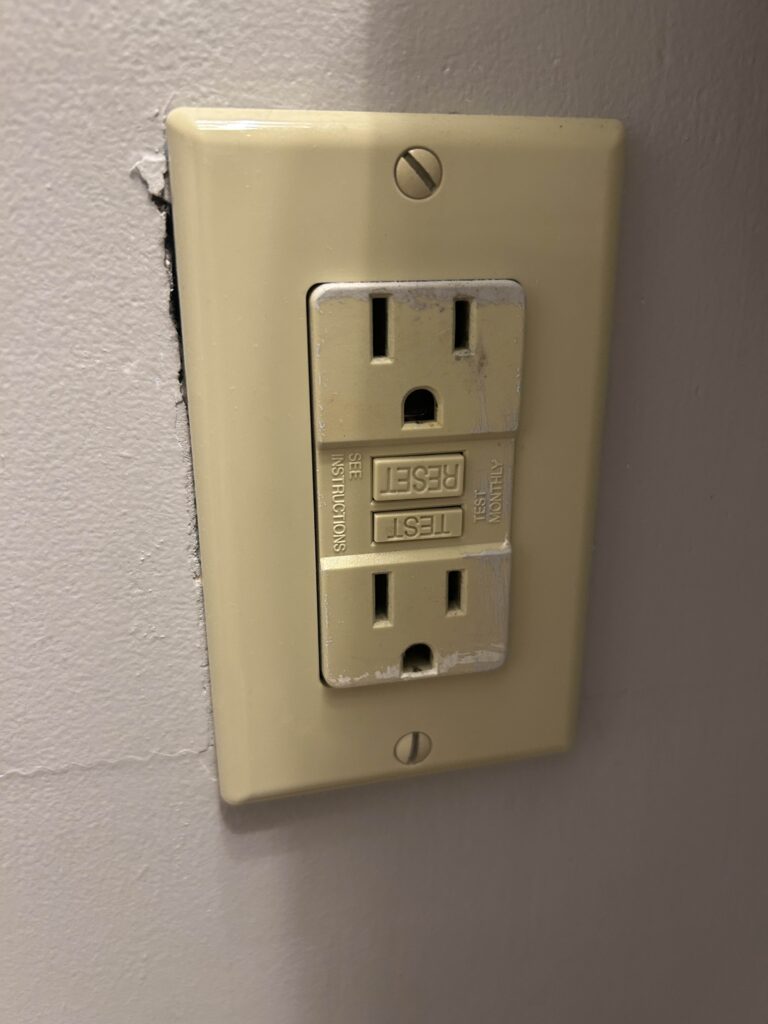
Ground fault circuit interrupter (GFCI) outlets are essential safety features, yet many homes, even those that were built in the last 40 years, don’t have them. GCFI outlets cut off power if they detect an imbalance in electrical current flow caused by something like a splash of water, which saves lives, prevents fires, and protects appliances from costly damage.
We recommend verifying that you have GCFI outlets in your kitchen, bathroom, and other wet areas. If you don’t, get them installed.
If you do have GCFI outlets, you must test them once a month to ensure they’re still working as designed. Testing them is fairly straightforward. These outlets feature two built-in buttons, one marked TEST and the other RESET. Plug in something small, such as a nightlight, to determine if it’s working. Press the TEST button. That button should pop, stay depressed, and cut off the power to the outlet. Use RESET and verify that the power is restored again and that the TEST button pops up. If anything fails to happen during the test, replace the outlet.
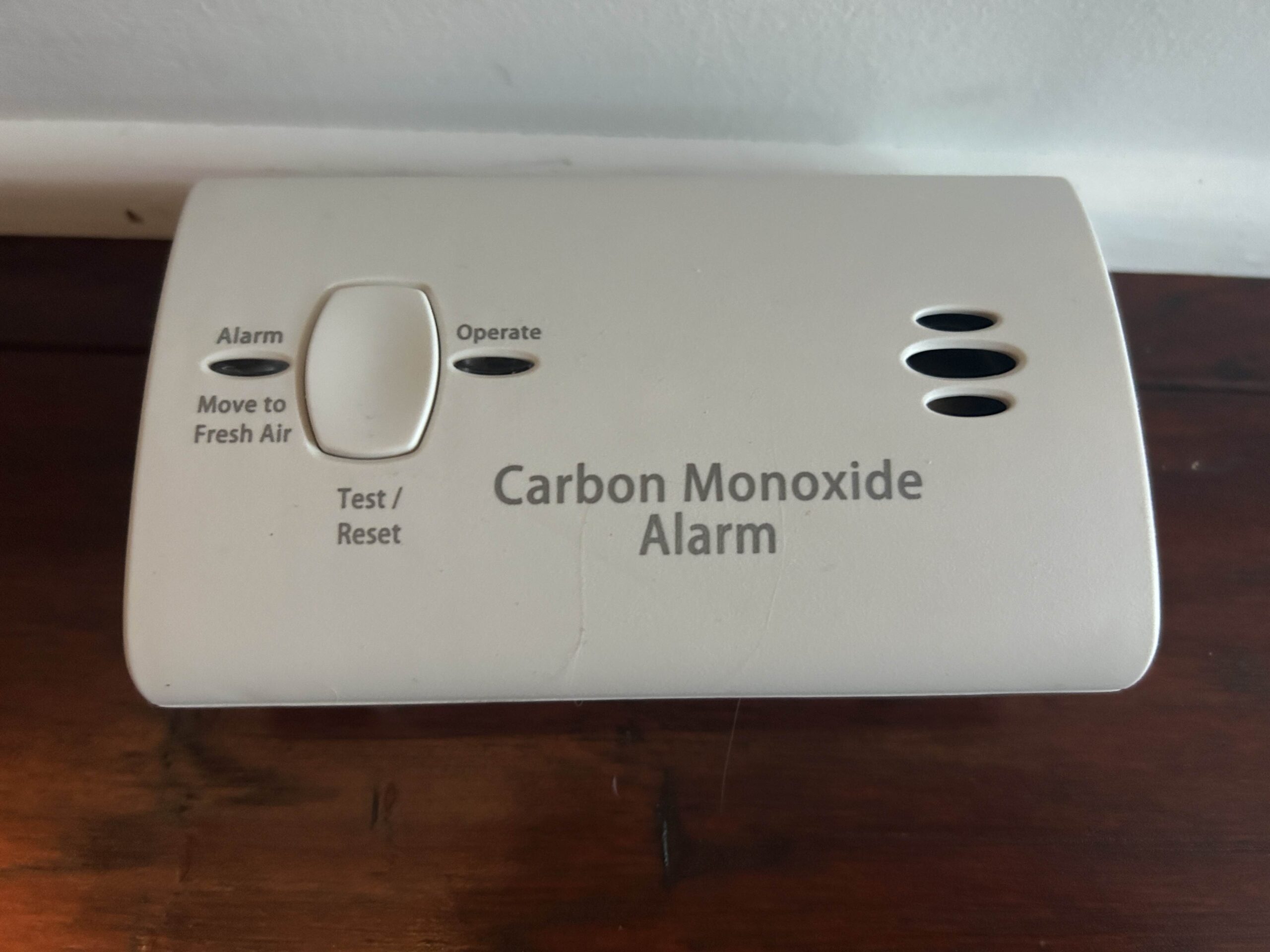
Smoke detectors are required in all households in Michigan, and carbon monoxide detectors are highly recommended for any homes with gas appliances.
The primary maintenance goal is to ensure the detectors stay working. Test them monthly and change the batteries every 6 to 12 months. You’ll know when the battery is running low because the detector will make a high-pitched chirping sound. If your detector is old, the sensor may not work, so you won’t hear the chirping sound, which is why it’s important to test them monthly and ensure they respond as they should.
Warning signs of serious electrical issues include:
If you notice any of these during your assessment with this electrical safety inspection checklist, contact our electricians at Budget Electric immediately.
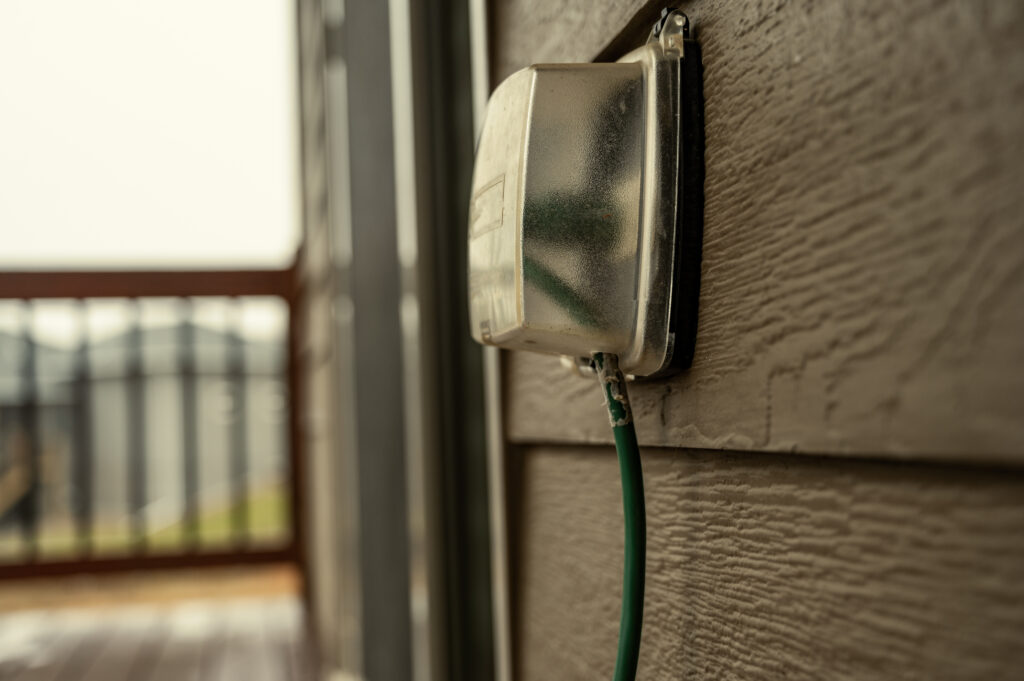
Electrical outlets should be rated for outdoor use and feature waterproof covers. Many designs are sufficient for areas where water only falls and runs over the cover, but Michigan’s winter snowfall can leave moisture surrounding exterior outlets. Ensure you choose truly waterproof designs that can handle the state’s seasonal changes.
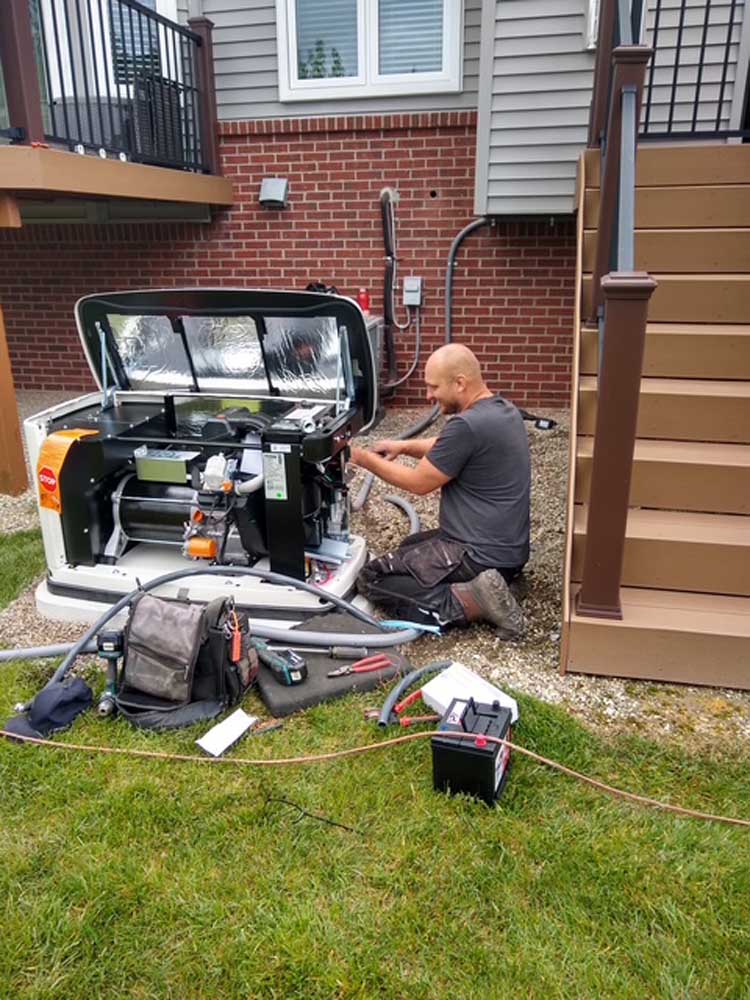
In addition to exterior outlets, check any generators you rely on during storm season, especially the connections and cords. Replace cords with worn or cracked insulation and have whole-house generator systems inspected at least once a year by a professional.
Lastly, assess the electrical equipment and connections for your pool, spa, or hot tub. Since these backyard features involve water, they can become extra risky if there’s an electrical problem.
You can deal with most small electrical issues on your own. However, if you need a significant electrical upgrade, electrical panel replacement, or have noticed persistent issues, hiring a licensed and insured electrician is your safest option.
Additionally, if your home hasn’t had a thorough electrical inspection, or you don’t know when your system was last inspected, call an electrician. Unless you have an understanding of how a home’s electrical system works, it’s best to contact a professional who can identify any problems before they become worse. Once you know your electrical system is in good shape and updated, you can handle minor inspections yourself and call a professional once every year or two to verify that everything is still working properly.
Even if some of these tasks seem small, they can go a long way in preventing electrical fires at home.
Download and print our PDF version of this checklist, or contact our licensed and insured electricians at Budget Electric & Generators to schedule a professional inspection.
